Carnival Halloween: Integrating Fantasy and Spookiness into Your Creative Workflow
In the realm of creative production and event planning, the convergence of distinct themes often yields the most memorable results. Carnival Halloween represents a specific niche where the chaotic energy of a masquerade meets the atmospheric tension of the spooky season. For professionals managing seasonal campaigns, content creators developing digital assets, or small business owners curating unique inventory, understanding how to leverage this fusion is critical. It is not merely about selecting a costume; it is about executing a thematic strategy that resonates with an audience seeking both wonder and fright.
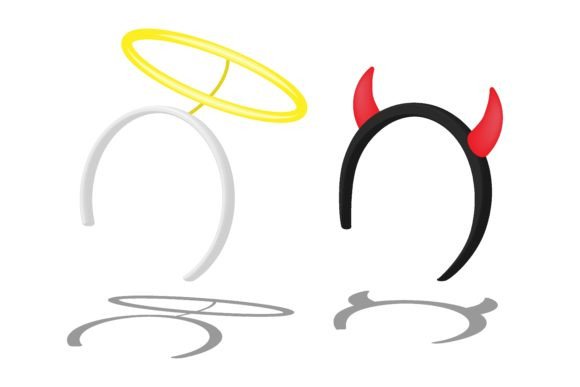
At the heart of this aesthetic lies the concept of duality. The traditional carnival evokes color, movement, and celebration, while Halloween introduces shadows, mystery, and the macabre. When these elements are combined effectively, they create a compelling narrative hook. A prime example of this synthesis is found in specialized accessories like the three-dimensional Halloween headband featuring an intriguing blend of eerie horns and an angelic halo. This specific type of asset serves as a microcosm for the broader Carnival Halloween workflow: it requires balancing opposing visual cues to achieve a cohesive final product.
Strategic Planning and Asset Selection
Before diving into execution, successful integration of Carnival Halloween into a project begins with rigorous planning. Whether you are organizing a corporate event, designing a marketing campaign, or creating digital illustrations, the selection of core assets dictates the quality of the outcome. In a professional context, "assets" can range from physical props to high-resolution vector graphics.
When evaluating potential elements for your project, consider the following criteria:
- Visual Clarity: Does the item stand out against various backgrounds? For digital workflows, assets with isolated vectors or clean white backgrounds offer maximum flexibility for compositing.
- Thematic Consistency: Do the chosen elements successfully merge the carnival spirit with spooky undertones without feeling disjointed?
- Versatility: Can the asset be used across multiple platforms, from social media posts to printed invitations?
- Quality Control: Is the resolution sufficient for large-scale printing or high-definition screens?
The aforementioned headgear, with its realistic presentation and 3D design, exemplifies an asset that meets these standards. Its ability to function as a standalone icon or a component within a larger scene makes it invaluable for diverse applications. By prioritizing such high-quality, versatile tools during the planning phase, you reduce the need for extensive post-production editing later in the workflow.
Implementation Across Different Workflows
The application of Carnival Halloween themes varies significantly depending on the industry and the specific goals of the project. Below are practical scenarios illustrating how this theme fits into different professional processes.
Digital Content Creation and Marketing
For marketers and bloggers, timing is everything. The period leading up to Halloween is saturated with generic ghost and pumpkin imagery. To cut through the noise, integrating the carnival aesthetic offers a fresh perspective. You can utilize 3D assets, such as the horned-halo headpiece, to create eye-catching thumbnails, email headers, or social media stories.
The process involves downloading high-quality, isolated vectors and importing them into your design software. Because these assets often come with transparent or clean white backgrounds, they require minimal masking. This efficiency allows you to focus on typography and layout rather than tedious image manipulation. Furthermore, the juxtaposition of angelic and demonic features in a single accessory creates an immediate psychological intrigue, increasing click-through rates and engagement metrics.
Event Planning and Experiential Design
Event planners tasked with organizing Halloween parties or corporate mixers can use the Carnival Halloween concept to define the venue's atmosphere. The workflow here shifts from digital composition to spatial arrangement. The "masterfully crafted headgear" mentioned earlier can serve as a central motif for the event's dress code or decor.
Implementation steps might include:
- Concept Development: Define the ratio of carnival to horror elements. Will the event lean more towards a Venetian masquerade with a dark twist, or a haunted circus?
- Procurement: Source physical replicas of key digital assets or commission custom props that mirror the 3D designs found in your mood boards.
- Lighting and Staging: Use lighting to enhance the 3D nature of the decorations. Spotlights can cast dramatic shadows from horned silhouettes, reinforcing the spooky aspect while maintaining the festive carnival vibe.
- Guest Interaction: Provide accessories at the entrance. Giving guests a tangible piece of the theme, like a headband, immediately immerses them in the experience and encourages user-generated content for social sharing.
E-Commerce and Product Photography
Small business owners and entrepreneurs selling seasonal goods must ensure their product listings convey value instantly. In e-commerce, the image is the primary sales tool. Utilizing assets with a "clean, white background" is essential for maintaining a professional storefront appearance.
When photographing or rendering products like the fantasy headband, consistency is key. Ensure that all images in your catalog share the same lighting conditions and angles. This uniformity builds trust with the consumer and streamlines the browsing experience. Additionally, highlighting the "realistic presentation" of the product in your descriptions helps manage customer expectations regarding material quality and craftsmanship.
Optimizing the Creative Process
Integrating complex themes like Carnival Halloween requires a streamlined workflow to maintain efficiency. Professionals often face tight deadlines, making it crucial to minimize friction between ideation and final delivery.
Preparation is the first line of defense against bottlenecks. Establish a centralized library of approved assets before the project kicks off. This includes storing vector files, 3D models, and reference images in an organized folder structure. When you need to assemble a campaign quickly, having these resources ready eliminates the time spent searching for suitable graphics.
Compatibility is another vital factor. Ensure that the file formats you choose (such as SVG for vectors or PNG for raster images) are compatible with your existing software stack. An asset that looks stunning but requires conversion plugins or causes software crashes disrupts the flow of work. The isolated vector format mentioned in relation to premium headgear assets is particularly useful here, as it scales infinitely without losing quality and integrates seamlessly into most design suites.
Moreover, consider the long-term use of your creations. While Carnival Halloween is inherently seasonal, well-designed assets can be repurposed. A high-quality 3D render of a horned halo could be adapted for a fantasy gaming blog in January or a theatrical production poster in the spring. Viewing your assets as long-term investments rather than one-off consumables changes how you select and store them.
Navigating Challenges and Ensuring Quality
One common challenge in blending carnival and Halloween themes is avoiding visual clutter. The carnival aesthetic is naturally busy, filled with patterns, colors, and motion. Adding spooky elements can easily tip the scale into chaos. To counter this, adhere to principles of negative space. Allow the intricate details of your focal points, like the texture of the horns or the glow of the halo, to breathe against simpler backgrounds.
Quality control should occur at every stage. During the design phase, review your compositions on multiple devices to ensure the 3D effects translate correctly on mobile screens versus desktop monitors. If you are producing physical goods, request samples to verify that the "realistic presentation" promised in digital mockups holds up in tangible form. Discrepancies between digital expectation and physical reality can damage brand reputation.
Collaboration also plays a significant role. When working with a team, clearly communicate the vision for the Carnival Halloween fusion. Use mood boards and style guides to align everyone's understanding of the balance between "eerie" and "angelic." Clear communication prevents scope creep and ensures that the final output remains true to the original concept.
Conclusion: Elevating Your Seasonal Strategy
The intersection of carnival festivities and Halloween spookiness offers a rich vein of creative potential for professionals across various industries. By treating this theme as a structured component of your workflow rather than an afterthought, you can produce higher quality results with greater efficiency. From selecting the right 3D assets to optimizing them for different platforms, every step in the process contributes to a cohesive and impactful final product.
Whether you are enhancing a digital collection with isolated vectors or staging an immersive live event, the key lies in the thoughtful integration of contrasting elements. The masterful blend of horns and halos serves as a reminder that the most captivating creations often arise from the harmony of opposites. By applying these practical strategies, you can ensure that your Carnival Halloween projects not only stand out from the crowd but also deliver tangible value to your audience and your business.