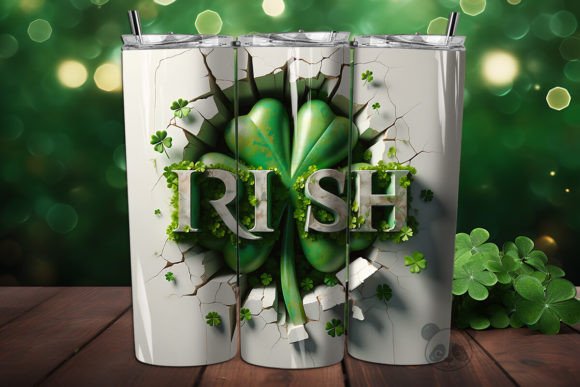
Evaluating the St. Patrick Day IRISH 3D Tumbler Wrap for Sublimation Projects
For crafters and small business owners preparing for the seasonal rush, selecting the right digital assets is as critical as choosing the physical blanks. The St. Patrick Day IRISH 3D Tumbler Wrap represents a specific category of sublimation design that moves beyond flat, two-dimensional graphics. Unlike standard prints that sit on the surface of a tumbler, these designs utilize shading, perspective, and layering to create an optical illusion of depth. When evaluating whether this specific style fits your production needs, it is essential to understand not just the aesthetic appeal, but the technical requirements and practical tradeoffs involved in using high-resolution 3D PNG files for skinny or standard tumblers.
Understanding the 3D Aesthetic Versus Traditional Flat Designs
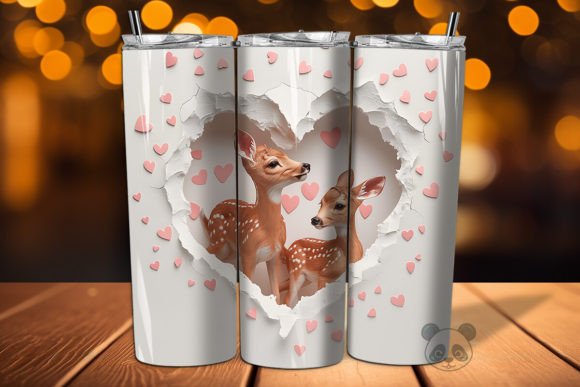
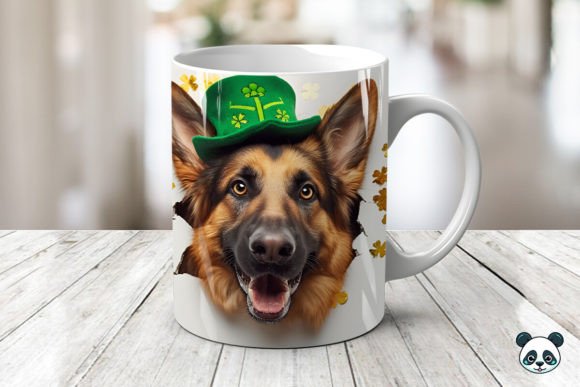
The primary distinction of a St. Patrick Day IRISH 3D Tumbler Wrap lies in its visual complexity. Traditional sublimation designs often feature flat vector art or simple watercolor washes. While effective, they can sometimes appear static when wrapped around a cylindrical object. In contrast, 3D designs incorporate simulated lighting and shadow effects that interact with the curvature of the cup. For instance, a shamrock in a 3D design might appear to pop out from a textured background, or gold coins might look as though they are spilling over a ledge.
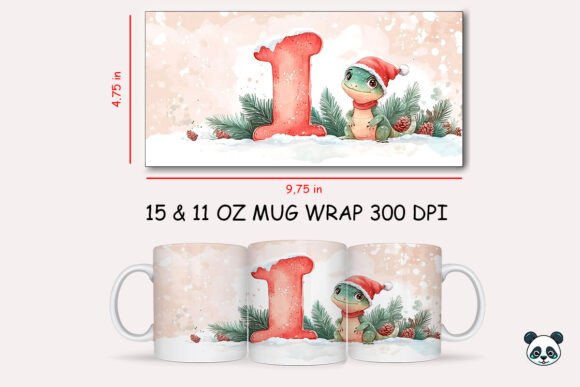
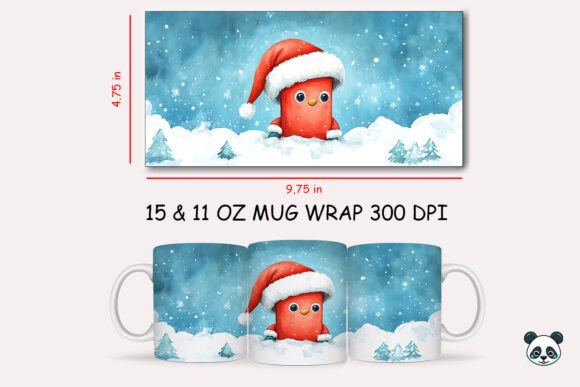
This depth adds a premium feel to the final product, which can justify a higher price point for handmade goods. However, this style requires a different approach to evaluation. When reviewing a digital download, one must check if the "3D" effect is genuine artistic rendering or merely a heavy drop shadow applied to a basic clipart image. High-quality 3D wraps, such as those offering 300 DPI resolution, ensure that these intricate details do not pixelate when stretched over a 15 oz or 20 oz tumbler. The file dimensions, typically around 9.3 inches by 8.2 inches for a full wrap, are calibrated to cover the printable area without leaving unsightly gaps, provided the user aligns the template correctly.
Technical Considerations: File Formats and Resolution
When downloading instant digital files, the format and resolution are non-negotiable factors in your decision-making process. Most professional St. Patrick Day IRISH Tumbler wrap PNG files are delivered in a ZIP archive containing a single high-resolution image. The industry standard for sublimation is 300 DPI (dots per inch). Anything lower may result in blurry edges, particularly problematic for 3D designs where the definition of shadows and highlights is what creates the illusion of depth.
It is important to note that these digital downloads do not include physical items; they are purely data files intended for users who already possess sublimation printers, heat presses, and appropriate software. A common pitfall for beginners is assuming the design will automatically fit every tumbler brand. While a "skinny tumbler" template is a common standard, variations exist between manufacturers like Ozark Trail, RTIC, or generic blanks. The provided PNG file, often sized approximately 9.3 x 8.2 inches, serves as a robust base, but savvy creators will still measure their specific blank to ensure the seamless pattern aligns perfectly at the seam. If the design features a specific focal point, such as a central "IRISH" text element, misalignment can disrupt the 3D perspective.
Comparing Design Styles: Watercolor, Seamless Patterns, and 3D Renders
Choosing a design style involves balancing trendiness with timelessness and ease of application. The St. Patrick Day IRISH watercolor style remains a perennial favorite for its soft, organic look. It is forgiving; minor alignment errors during wrapping are less noticeable because watercolor edges tend to fade softly. Conversely, a 3D St. Patrick Day IRISH design demands precision. Because these designs often mimic physical objects or structured environments, a skewed wrap can break the illusion, making the tumbler look distorted rather than dimensional.
Another alternative is the St. Patrick Day IRISH seamless pattern. These are ideal for users who want to tile a design across various products, from tumblers to fabric. However, seamless patterns can sometimes lack a strong focal point, making them feel repetitive on a large surface area like a 20 oz tumbler. The 3D wrap offers a middle ground: it provides a cohesive scene with a clear center of interest while maintaining enough background detail to keep the eye engaged. For sellers targeting adults aged 20–50 who appreciate modern, graphic-heavy aesthetics, the 3D option often outperforms traditional floral or plain text designs in terms of perceived value.
Practical Application and Workflow Integration
Integrating a St. Patrick Day IRISH wrap into your workflow requires more than just printing. The "instant digital download" model implies that the buyer is responsible for the entire production chain. This includes resizing the image within design software (such as Photoshop, Illustrator, or Canva) to match the specific circumference and height of the tumbler blank being used. Although the file comes ready to print at a standard size, customization is often necessary to account for the "bleed" area—the extra space needed to wrap around the back of the tumbler so no white edges show.
Furthermore, the substrate matters. 3D designs rely heavily on color vibrancy to sell the depth effect. Sublimation only works effectively on polymer-coated stainless steel or ceramic blanks with a light-colored base. Attempting to sublimate a dark-colored tumbler with a standard PNG will result in the design being invisible, as sublimation ink dyes the coating rather than sitting on top of it. For dark tumblers, one would need a design with a solid white background included in the PNG, or they must use a different application method entirely, such as heat transfer vinyl (HTV), which changes the texture and feel of the final product. The typical 3D sublimation PNG assumes a light or white tumbler base to maximize the pop of the green, gold, and orange hues associated with the holiday.
Decision Factors: When to Choose This Option
Deciding to purchase and use a St. Patrick Day IRISH 3D Tumbler Wrap depends on your target market and technical confidence. This option is best suited for:
- Experienced Sublimators: Users who understand how to manage color profiles, heat press settings, and template alignment will get the most value out of complex 3D files.
- Premium Product Lines: If you are selling at craft fairs or online stores where customers expect unique, high-end visuals, the depth of a 3D design distinguishes your inventory from mass-produced stickers.
- Time-Constrained Creators: Since the file is a pre-made instant download, it eliminates the hours required to create a complex 3D scene from scratch, allowing you to focus on production and marketing.
However, this may not be the right choice if you are a complete beginner unfamiliar with sizing software, or if your primary inventory consists of dark-colored tumblers that require different decoration techniques. Additionally, if your brand identity relies on minimalist, flat-design aesthetics, a busy 3D background might clash with your overall style.
Maximizing the Value of Digital Assets
To truly leverage a St. Patrick Day IRISH background or wrap, consider how it can be adapted beyond the standard tumbler. The high-resolution nature of these files (often 300 DPI) allows for cropping and repurposing. Elements from the 3D scene can be isolated to create matching coasters, keychains, or even social media graphics for marketing your products. The "seamless" aspect of some backgrounds also means they can be tiled for larger projects like mousepads or tote bags, provided the license allows for such expansion.
Ultimately, the St. Patrick Day IRISH 3D Tumbler Wrap is a tool that bridges the gap between amateur crafting and professional product design. Its effectiveness relies on the synergy between the quality of the digital file and the skill of the creator applying it. By understanding the nuances of 3D visualization, resolution requirements, and substrate limitations, makers can make informed decisions that enhance their product offerings without falling prey to misleading marketing or incompatible file types. Whether you opt for the dramatic depth of 3D renders or the softness of watercolor, the key to success lies in matching the design capability to your specific production environment.