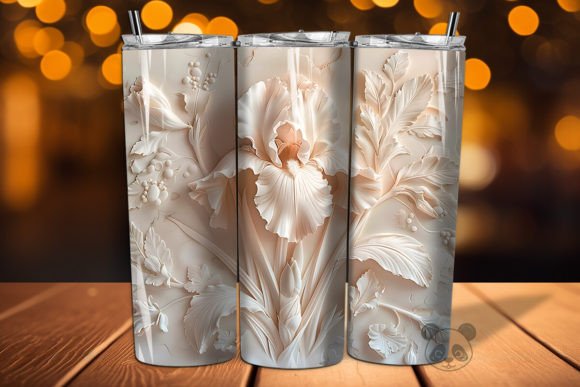
Iris 3D Tumbler Wrap: A Guide for Creators
The intersection of digital art and physical utility creates a unique space for creativity, and the Iris 3D Tumbler Wrap sits squarely in that sweet spot. For anyone involved in sublimation printing, whether as a weekend hobbyist or a full-time shop owner, understanding the nuance of a well-designed wrap is essential. This isn't just about slapping an image onto a metal cup; it is about translating a two-dimensional file into a three-dimensional experience that feels cohesive and professional. The specific appeal of an iris design lies in its organic flow and vibrant color palette, which can be challenging to execute without the right foundational assets.
When we talk about a "3D" tumbler wrap in the context of digital downloads, we are referring to files that are pre-distorted or mapped to account for the curvature of the tumbler. A standard flat image often looks stretched or misaligned when wrapped around a cylinder. A dedicated Iris 3D Tumbler Wrap Background or design file solves this by anticipating how the ink will sit on the surface. For a creator, this means the difference between a product that looks amateurish and one that appears custom-manufactured. The inclusion of watercolor textures and seamless patterns within these files adds depth, making the final sublimated item feel tactile and rich.
Why Different Creators Value This Asset Differently
The value of a digital asset like this changes drastically depending on who is holding the mouse. There is no single "right" way to use these files, but there are certainly different priorities based on your role in the creation ecosystem.
For the beginner just dipping their toes into sublimation, the primary concern is often ease of use and reliability. A beginner might not yet understand how to manipulate vector paths or distort images in Photoshop to fit a tapered cup. In this scenario, a ready-to-use PNG file, such as the 9.3 x 8.2 inch high-resolution file typically included in these packs, is a lifeline. It removes the technical barrier of sizing and warping. The beginner can focus entirely on the heat press settings and the physical transfer process. If the file is already optimized for a 15 oz tumbler template, it reduces the margin for error, allowing them to achieve a professional result on their very first try. The learning curve shifts from "how do I design this?" to "how do I press this perfectly?"
Conversely, an experienced professional or a small business owner looks at the same file through the lens of efficiency and commercial value. Time is money. Spending hours creating a seamless iris pattern from scratch might not yield a good return on investment if a high-quality digital download is available for a fraction of the cost of an hour's labor. For these users, the Iris seamless pattern included in the background files allows for rapid scaling. They can produce batches of tumblers for weddings, corporate events, or seasonal collections without reinventing the wheel. Their priority is consistency; they need every tumbler in a batch of fifty to look identical, and a standardized digital template ensures that uniformity.
The Educator and the Hobbyist Perspective
Educators and workshop leaders often utilize resources like the Iris Tumbler wrap to teach specific techniques. In a classroom setting, having a pre-made, high-DPI file allows the instructor to focus on teaching the mechanics of sublimation—temperature, pressure, and time—rather than getting bogged down in graphic design software tutorials. It serves as a controlled variable in an experiment. Students can see how the watercolor textures of the iris react to the heat press without worrying if their design dimensions were incorrect.
Hobbyists, on the other hand, are often driven by creativity and personalization. They might buy a digital download not to sell, but to create gifts for family members. For them, the aesthetic quality of the Iris watercolor style is paramount. They want the final product to look like a piece of art rather than a mass-produced item. The ability to layer additional elements, like names or dates, over the provided Iris 3D Tumbler Wrap Background gives them the flexibility to make something unique while still relying on a professionally crafted base.
Technical Considerations and File Utility
Regardless of your audience category, the technical specifications of the file dictate its usefulness. When you acquire a package containing a ZIP file with a 300 DPI PNG, you are getting a file suitable for high-quality printing. The resolution is critical; anything lower than 300 DPI can result in pixelation or blurriness once the image is expanded to fit a tumbler. The dimensions, often around 9.3 inches by 8.2 inches, are specifically calculated to cover the printable area of standard tumblers while accounting for the overlap needed for a seamless finish.
It is important to note that these are digital downloads. There is no physical tumbler included. This distinction matters for consumers who might be new to the world of print-on-demand or DIY crafting. The transaction is purely for the intellectual property and the utility of the design file. Users must have their own sublimation printer, blanks (the actual tumblers), and heat pressing equipment. This requirement naturally filters the audience to those who either possess the equipment or are willing to invest in it.
The concept of the "3D" aspect also extends to how the design interacts with the object. A flat iris flower might look static, but a design engineered with depth cues, shadows, and wrapping continuity creates an illusion of the flower encircling the cup. This visual trickery enhances the perceived value of the end product. For marketers and bloggers showcasing these items, the visual impact is the selling point. High-quality mockups generated from these files can drive engagement on social media, proving that the design works in a real-world context before a single unit is pressed.
Making the Right Choice for Your Project
Deciding whether to utilize a pre-made Iris 3D Tumbler Wrap comes down to evaluating your current constraints. If your bottleneck is design skill or time, leveraging a professional template is a strategic move. If your bottleneck is equipment or understanding the sublimation process, the design file is only one part of the puzzle, and you may need to prioritize learning the hardware aspects first.
Consider the versatility of the file. A seamless pattern allows you to tile the design for larger surfaces or crop it for smaller items like coasters or ornaments, expanding the utility beyond just tumblers. This flexibility increases the long-term usefulness of the purchase. For entrepreneurs, this means one asset can support multiple product lines. For the casual crafter, it means leftover materials can be used for practice runs or smaller gifts.
Ultimately, the goal is to match the tool to the task. Whether you are looking to launch a boutique brand, teach a class, or simply make a beautiful gift for a friend, the Iris 3D Tumbler Wrap offers a foundation of quality and aesthetic appeal. By understanding what is included—a high-resolution, correctly sized PNG ready for instant download—you can bypass the tedious setup phases and move straight to creation. The true value lies not just in the image of the iris itself, but in the time saved and the professional finish achieved, allowing creators of all levels to focus on what they do best: bringing ideas to life.